
Wellness is often talked about as something we need to work at.
We are told to move more, eat better, organise our routines, drink more water and stay consistent.
Those things can be useful, but wellness also needs to include rest.
Rest is not something you have to earn after you have finished everything. It is part of caring for yourself in an ordinary, realistic way.
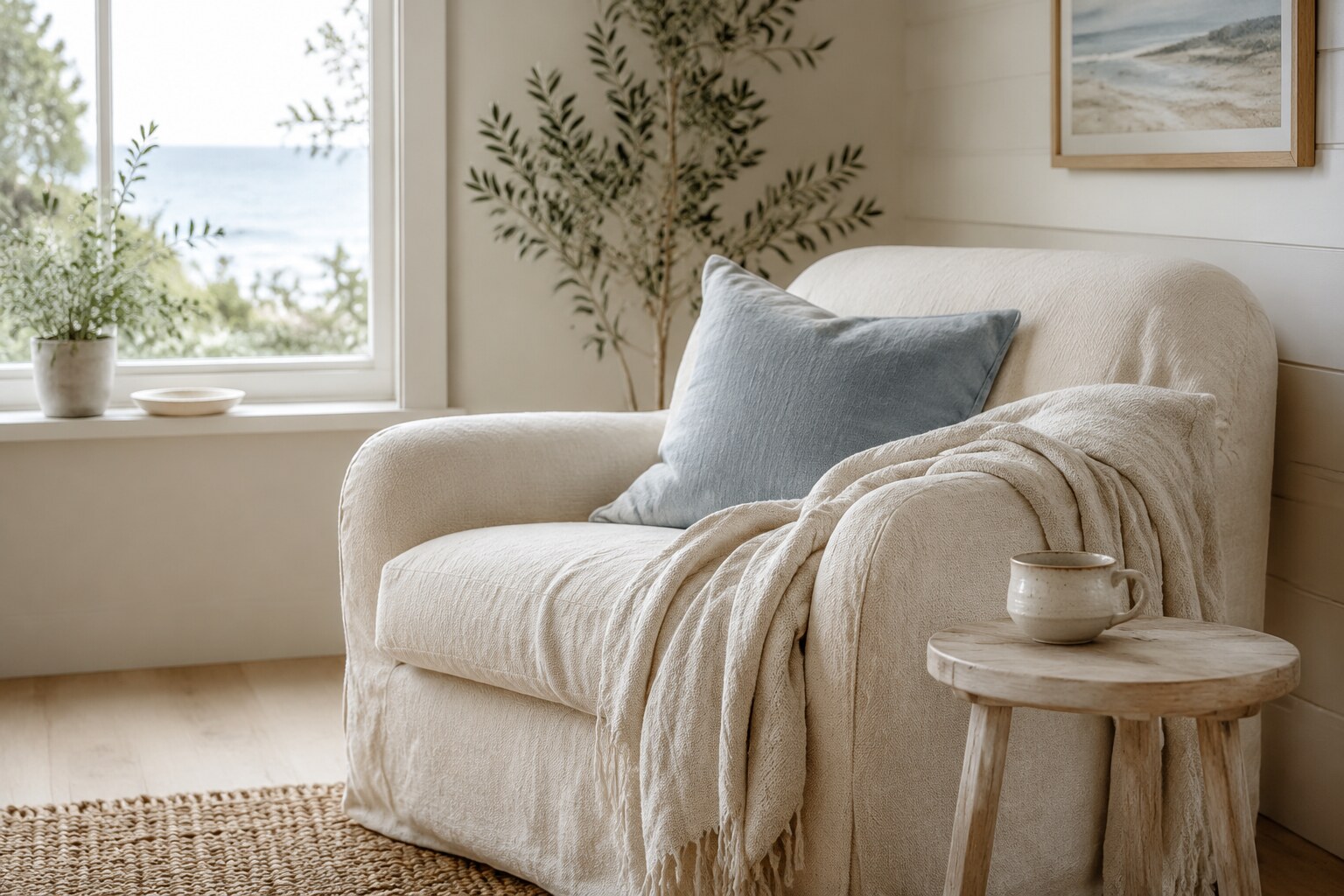
Rest does not have to come last
It is easy to think that rest should only happen when the work is finished.
The problem is that ordinary life is rarely completely finished.
There is usually another task, another message, another room to tidy or something else that could be done.
If rest always comes last, it can keep getting pushed further away.
Sometimes the healthier choice is to stop even when something is still unfinished.
Rest can look different from day to day
Rest does not always mean sleep.
It might be sitting quietly for a few minutes, reading, having a cup of tea, taking a slower walk, going to bed earlier or leaving part of the evening unplanned.
What feels restful for one person may not feel restful for another.
The important thing is noticing what actually reduces pressure and gives your body or mind a little space.
Rest does not need to be productive
Even rest can become another thing to do properly.
You might start feeling like you should be stretching, journalling, meditating or using your quiet time in the most helpful way.
But rest does not need a purpose beyond rest.
You are allowed to sit down without improving anything.
You are allowed to read something simply because you enjoy it.
You are allowed to leave something for tomorrow.
Rest and responsibility can exist together
Rest does not mean ignoring everything that matters.
It means recognising that your energy has limits.
Some days you may have plenty of energy. Other days you may need to do less.
That might mean making dinner simpler, moving a task to tomorrow or choosing a quieter evening.
A sustainable life has room for both effort and rest.

Rest can protect what matters
When you are tired, small things can feel harder.
Patience can become shorter and simple decisions can feel heavy.
Rest will not solve every problem, but it can reduce some of the strain.
Sometimes doing a little less helps you stay more present for the people and responsibilities that matter most.
Faith also makes room for rest
Christian faith does not ask us to live as though everything depends on our constant effort.
Scripture makes room for stillness, Sabbath, rest and trust.
Rest can be a quiet reminder that you do not have to carry everything all the time.
It does not mean every concern disappears. It simply means you are allowed to stop for a while.
Make room before you are exhausted
Many people wait until they are completely depleted before resting.
Sometimes it helps to build smaller pauses into ordinary days before you reach that point.
You might sit for ten minutes after lunch, put your phone down earlier in the evening, leave one task unfinished or keep one part of the weekend less busy.
These are small things, but they can make rest feel like part of life rather than something that only happens when you can no longer keep going.
Rest belongs here too
Wellness does not have to mean constantly improving yourself.
Sometimes caring for yourself looks like nourishing food, movement and time outside.
Sometimes it looks like prayer, boundaries and a quieter home.
And sometimes it simply looks like rest.
Not because you have earned it, but because you are human and you need it.